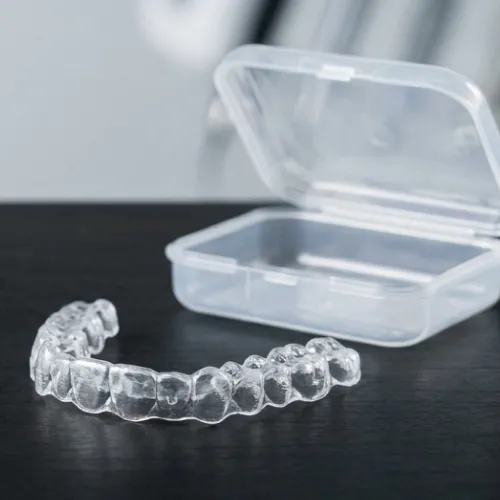
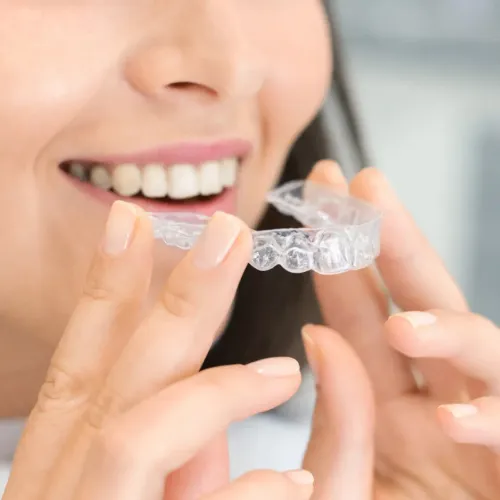
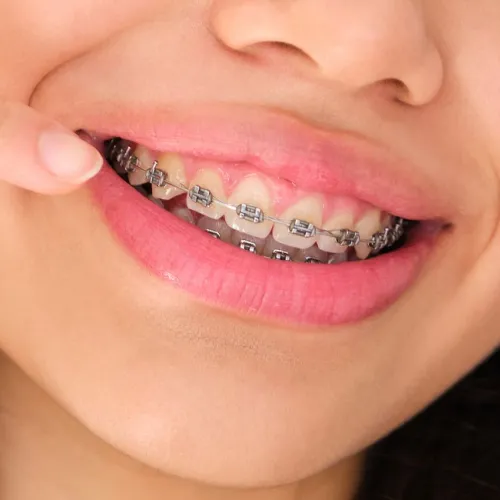
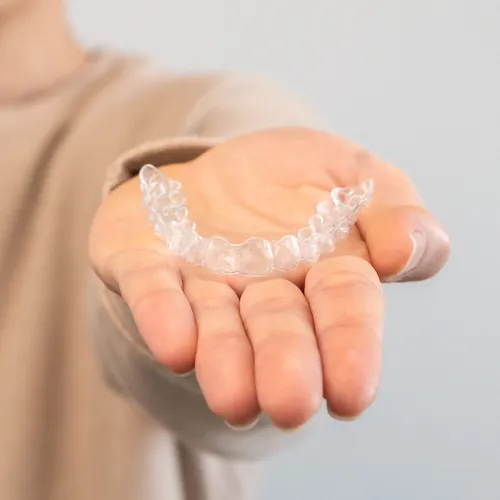
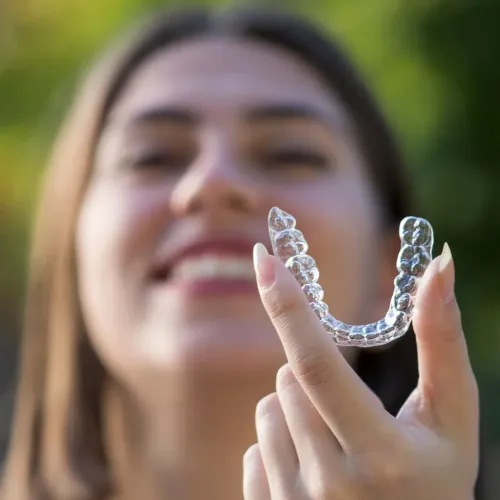
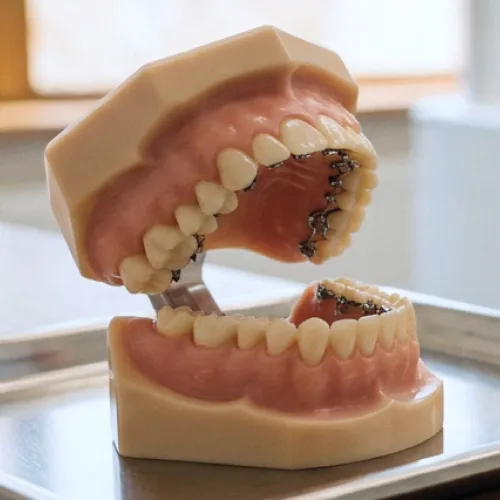
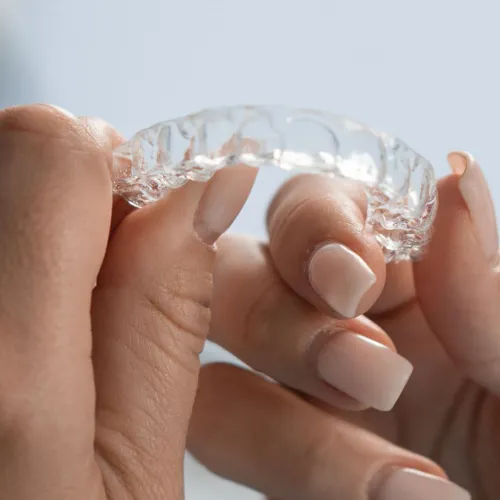
Spark vs. Invisalign: Which Clear Aligner Is Actually Better?
Spark vs. Invisalign: Which clear aligner is actually better for you? Compare costs, comfort, and results. Book your smile consultation in Richmond today!
Read More

Cosmetic Dentistry
Medically Reviewed by Dr. Ali Tameemi
Two veneer cases that look identical on day one can age very differently over a decade. The variables that decide which one stays beautiful — lab tier, candidate selection, and maintenance protocol — are rarely covered in a typical consultation. Richmond patients who understand them go into the chair with realistic expectations.
The most underexplained variable in veneer dentistry is who actually fabricates the veneer. There are essentially three production tiers, and the differences show up not on placement day but in years three, seven, and ten.
In-office milled (CEREC / same-day). The veneer is digitally designed and milled from a monolithic ceramic block in the office. It's fast and convenient, but a single block of ceramic lacks the depth of color layering a human ceramist can build by hand — meaning the result can look slightly flatter under varied lighting, especially at the front teeth.
Commercial dental lab. A technician at a high-volume lab fabricates the veneer from your impression. Quality varies significantly between labs — some are excellent, some are budget operations cutting corners on layering, firing, and quality control. The veneer that ages well versus the one that picks up chips and surface dullness often comes down to which lab handled the case.
Master ceramist (hand-layered porcelain). A specialist artist builds each veneer in individual layers, mimicking the translucency gradients of natural enamel. This is the approach that produces results indistinguishable from natural teeth and that ages with the same character over time.
Healthline's overview of porcelain veneers covers the typical 10–15 year lifespan range — the gap in quoted longevity often reflects which tier of production is involved, not a difference in material on paper.
Composite veneers and Lumineers (a brand of ultra-thin no-prep veneer) are sometimes proposed as alternatives. Healthline's comparison of veneers and Lumineers notes Lumineers don't last as long as traditional porcelain veneers and are less effective at masking severe discoloration. Composite handles minor cosmetic concerns well but doesn't replicate the stain resistance or longevity of porcelain.
The placement appointment is only the first chapter of veneer ownership. Several maintenance habits separate a fifteen-year veneer outcome from a six-year one.
Custom occlusal night guard. Porcelain is hard but brittle under lateral grinding forces. A custom-fitted night guard is strongly advisable for any veneer patient — and it needs replacement every few years as the material wears. Skipping this protection is one of the most common reasons veneers fracture earlier than expected.
Porcelain-safe professional cleanings. Standard prophy paste used at routine hygiene appointments is mildly abrasive. Repeated use on porcelain veneers can dull the surface luster over time. Non-abrasive polishing pastes specifically formulated for ceramic restorations should be used at every cleaning visit. This is worth confirming with any dental office — including the one that placed the veneers — before your next hygiene appointment.
Routine recall imaging. The cement seal between veneer and underlying tooth is a margin where decay can develop unseen if oral hygiene slips. Twice-yearly recall examinations with bitewing imaging are essential, not optional, for veneer patients.
Cleveland Clinic's overview of cosmetic dentistry places veneer results at five to fifteen years depending on care. The patients on the longer end of that range are the ones following the protocol; patients at the shorter end usually skipped one or more pieces.
Most articles describe veneers as purely cosmetic dentistry and stop there. The reality has more nuance — and the nuance matters for patients with structural or developmental tooth concerns.
Cleveland Clinic's dental insurance explainer confirms that benefit plans cover preventive and restorative care, not elective cosmetics. However, the line between cosmetic and restorative isn't always clean. Many PPO contracts contain a "Least Expensive Alternative Treatment" (LEAT) clause: when a veneer is placed on a tooth with a functional indication — severe acid erosion, a fractured cusp, a congenitally malformed tooth — the plan may apply a credit at the level it would have allowed for the next-best restorative option, such as a composite buildup or a crown.
Specific clinical scenarios where this distinction is worth discussing with your dentist include:
A patient's specific plan language should always be reviewed before any coding decisions. The ADA has addressed the complexity of noncovered service definitions, noting that what counts as "covered" varies significantly by state law and individual contract language.
The questions that matter most before booking are rarely the ones patients ask first. These are worth bringing to consultation:
Research published in PMC confirms that veneer longevity is directly tied to proper case selection, conservative preparation, and appropriate cementation — not just material quality. The clinical decisions made before the veneer is ever fabricated determine how long it performs.
Veneers remain one of the most rewarding treatments in cosmetic dentistry — patients see immediate, dramatic improvement in their smile. They also deserve to understand the full quality picture before they sit in the chair.
If you're considering veneers and want a straight answer on lab options, candidacy, and maintenance, Nu Dentistry Richmond offers private suite consultations designed to give you the time and information you need — without pressure. Serving Richmond and the greater Houston area, the team is here to help you make a confident, informed decision about your smile.
This article is intended for general informational purposes only and does not constitute dental or medical advice. Individual treatment needs and insurance coverage vary. Please consult a licensed dental professional for an evaluation specific to your situation.

Tuesday 9-6pm
Thursday 9-6pm
Saturday 9-2pm
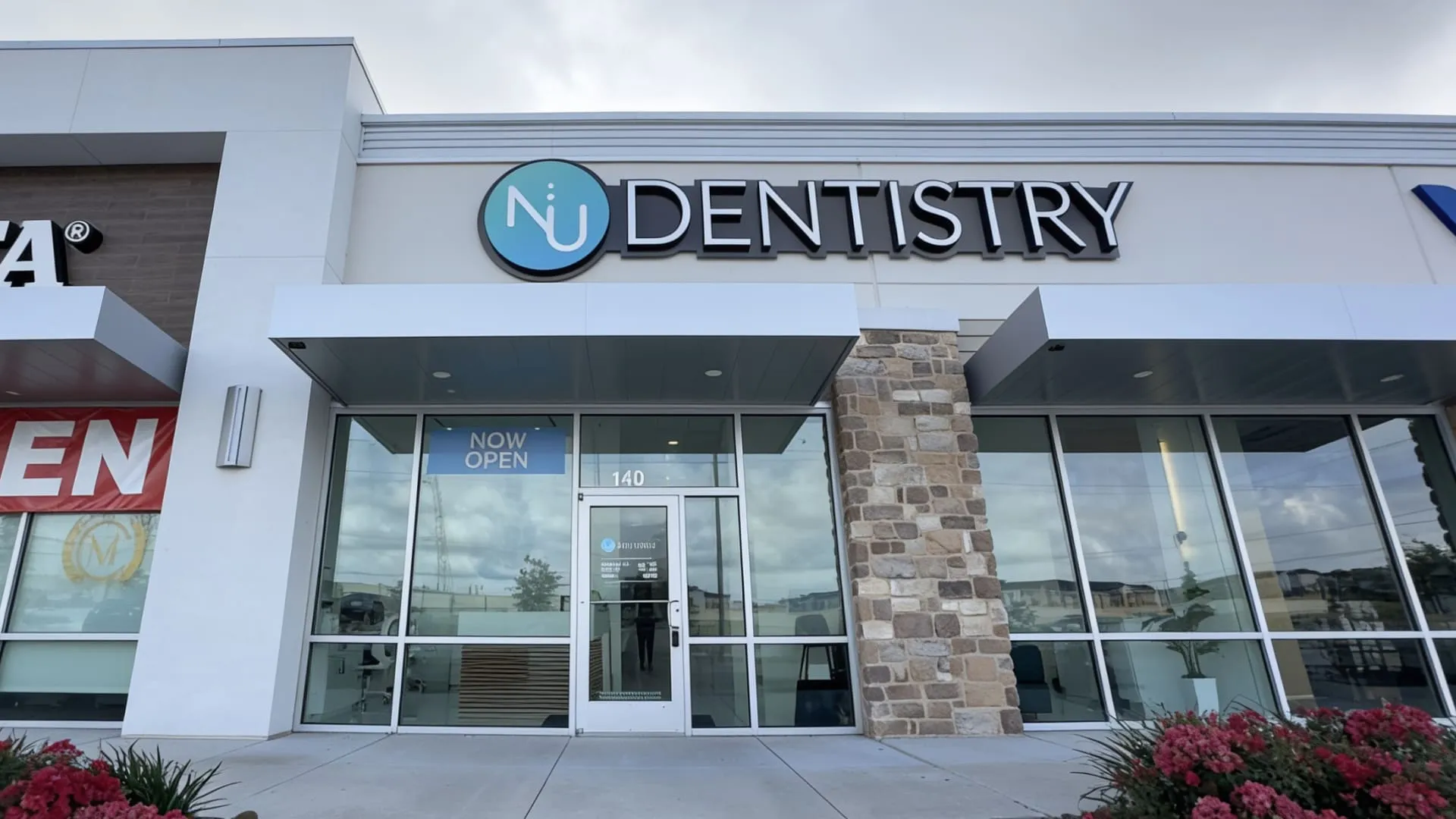
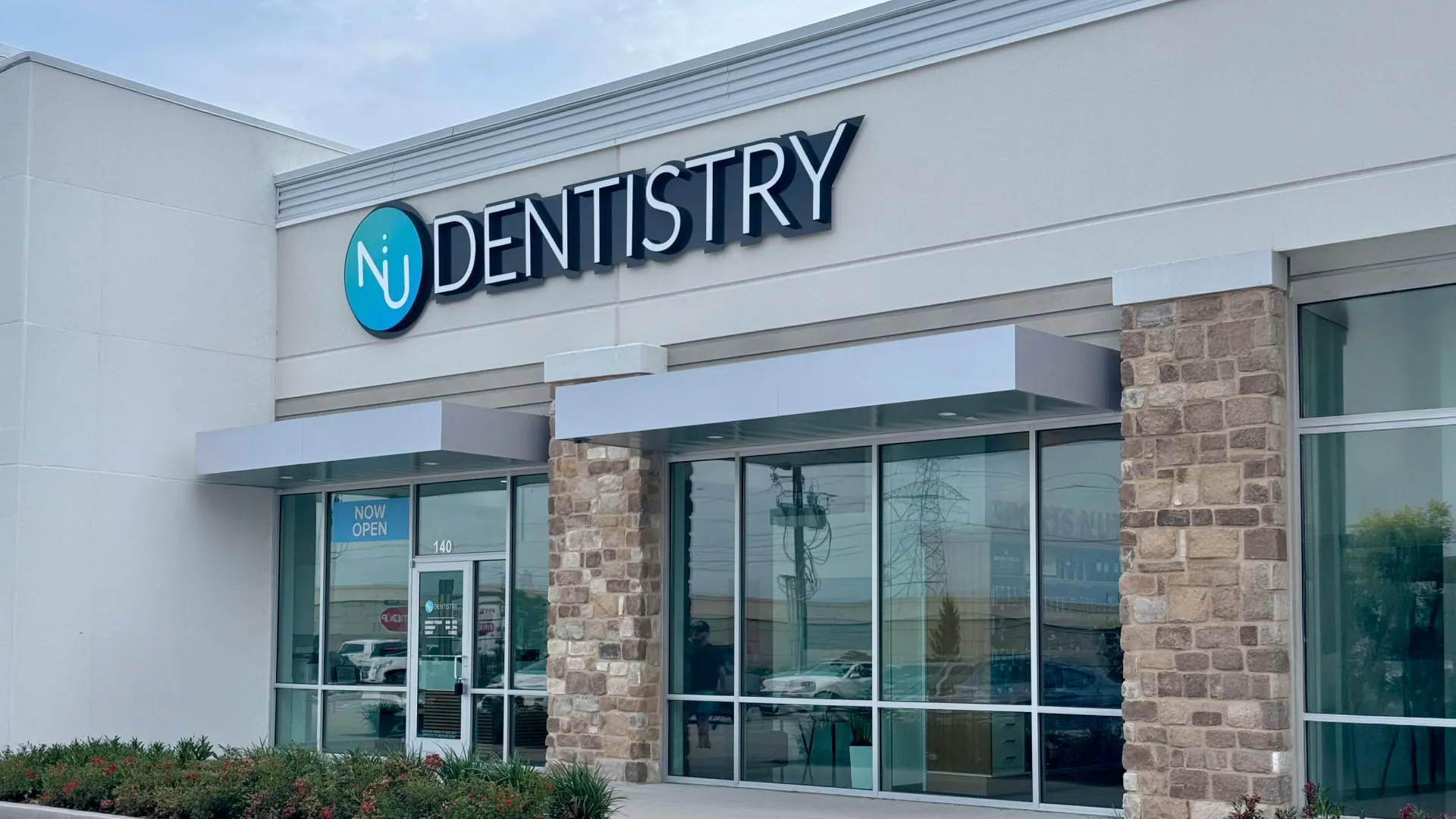
11115 W Grand Parkway S, Suite 140, Richmond, TX 77407
5706 San Felipe St Ste B-300, Houston, TX 77057
23227 Gosling Rd., Suite B, Spring, TX 77389
8940 Barker Cypress Rd., Cypress, TX 77433
3201 N. Shepherd Dr. Suite 113, Houston, TX 77018
8145 Highway 6, Building B #200, Missouri City, TX 77459
PATIENT TESTIMONIALS Richmond, TX
What People Are Saying After Visiting Us


CARING DENTISTS Richmond, TX
OUR SOCIALS
Check Us Out and Follow Our Social Media Accounts