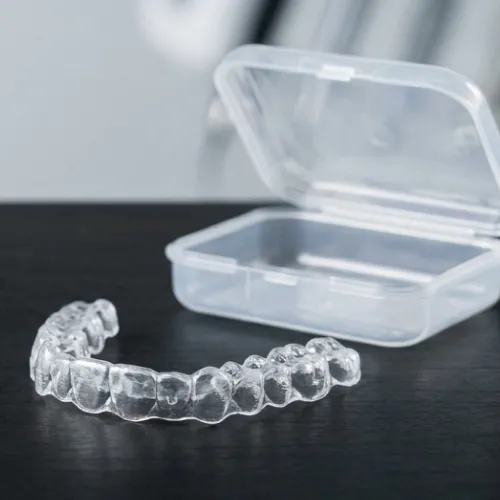
Spark vs. Invisalign: Which Clear Aligner Is Actually Better?
Spark vs. Invisalign: Which clear aligner is actually better for you? Compare costs, comfort, and results. Book your smile consultation in Richmond today!
Read More
Cosmetic Dentistry
Medically Reviewed by Dr. Ali Tameemi
Professional in-office whitening typically lasts one to three years, but how long you hold those results depends on what happens in the first 48 hours and every month after. The biological realities of enamel permeability and salivary flow are the two factors most people never hear about — and they make all the difference.
Most people walk out of a whitening appointment focused on avoiding coffee and red wine. For Richmond-area patients, that advice is correct, but it's incomplete. Here's the part that actually matters clinically.
Professional in-office whitening uses high-concentration hydrogen peroxide — typically 25–40% — that temporarily dehydrates your enamel and opens the dentinal tubules, the microscopic pores running through tooth structure. For the first 24–48 hours after treatment, your teeth are physically more porous than normal. They aren't just "sensitive to staining" in a vague sense — they are actively absorbing whatever contacts them, like a sponge that hasn't fully wrung out.
According to Healthline, professional procedures can extend whitening results up to two to three years, but lifestyle habits have a direct effect on longevity. What that article doesn't explain is why those first 48 hours carry disproportionate weight.
A commonly recommended approach for every patient who completes an in-office session is what clinicians call a 48-hour lockdown protocol:
The goal is to allow the enamel to rehydrate with saliva and "seal" before any chromogens — the pigmented compounds that bond to tooth surfaces — get a chance to penetrate. Once that window closes and normal mineral balance is restored, your enamel becomes significantly more resistant to re-staining.
Saliva is the most underrated factor in how long whitening results last. It acts as a natural buffer, constantly washing chromogens off the tooth surface and remineralizing enamel between meals. When salivary flow is compromised, stains bond to teeth almost instantly.
This is a real clinical concern for a large portion of Richmond-area patients. Common daily medications — antihistamines, blood pressure medications, SSRIs, diuretics — list dry mouth (xerostomia) as a side effect. Patients on any of these will find that whitening results fade measurably faster than in someone with normal salivary flow, regardless of how carefully the white diet is followed.
The ADA notes that extrinsic stains result from pigmented compounds accumulating on enamel — a process that accelerates dramatically when there's no saliva to flush them away.
For patients dealing with dry mouth, the following steps are generally recommended:
Addressing the underlying dry mouth issue isn't just good for whitening longevity. It protects against decay and gum disease, which makes the whole conversation worthwhile.
Most patients think about whitening as a one-time event followed by a slow slide back to yellow. The smarter approach is what clinicians call maintenance titration — using a small, controlled amount of professional-grade whitening gel on a regular schedule to hold a specific shade, rather than waiting until the discoloration is obvious and doing a full treatment again.
Mayo Clinic explains that dentist-supervised home whitening with custom trays typically keeps results stable for around two years. The key word is "supervised" — the concentration, tray fit, and frequency all matter.
A commonly used protocol for patients who have completed in-office treatment is as follows:
The reason custom trays matter here is precision. Over-the-counter strips apply gel unevenly and often contact gum tissue, increasing sensitivity. A properly fitted tray delivers a consistent, low-dose application that "resets" your shade without the translucent or blue-grey overtone that comes from aggressive or repeated OTC bleaching.
Research published in PMC confirms that at-home bleaching with low-concentration peroxide in custom trays is both effective and safe for ongoing use when properly supervised. The goal of this approach isn't dramatic whitening — it's holding the shade already achieved. Think of it as maintenance rather than treatment.
One more point: professional results vary by stain type. WebMD notes that in-office whitening can lift teeth three to eight shades, but intrinsic stains from medications or aging respond differently than extrinsic stains from food and drink. A proper evaluation before treatment ensures patients have realistic expectations and the right protocol from the start.
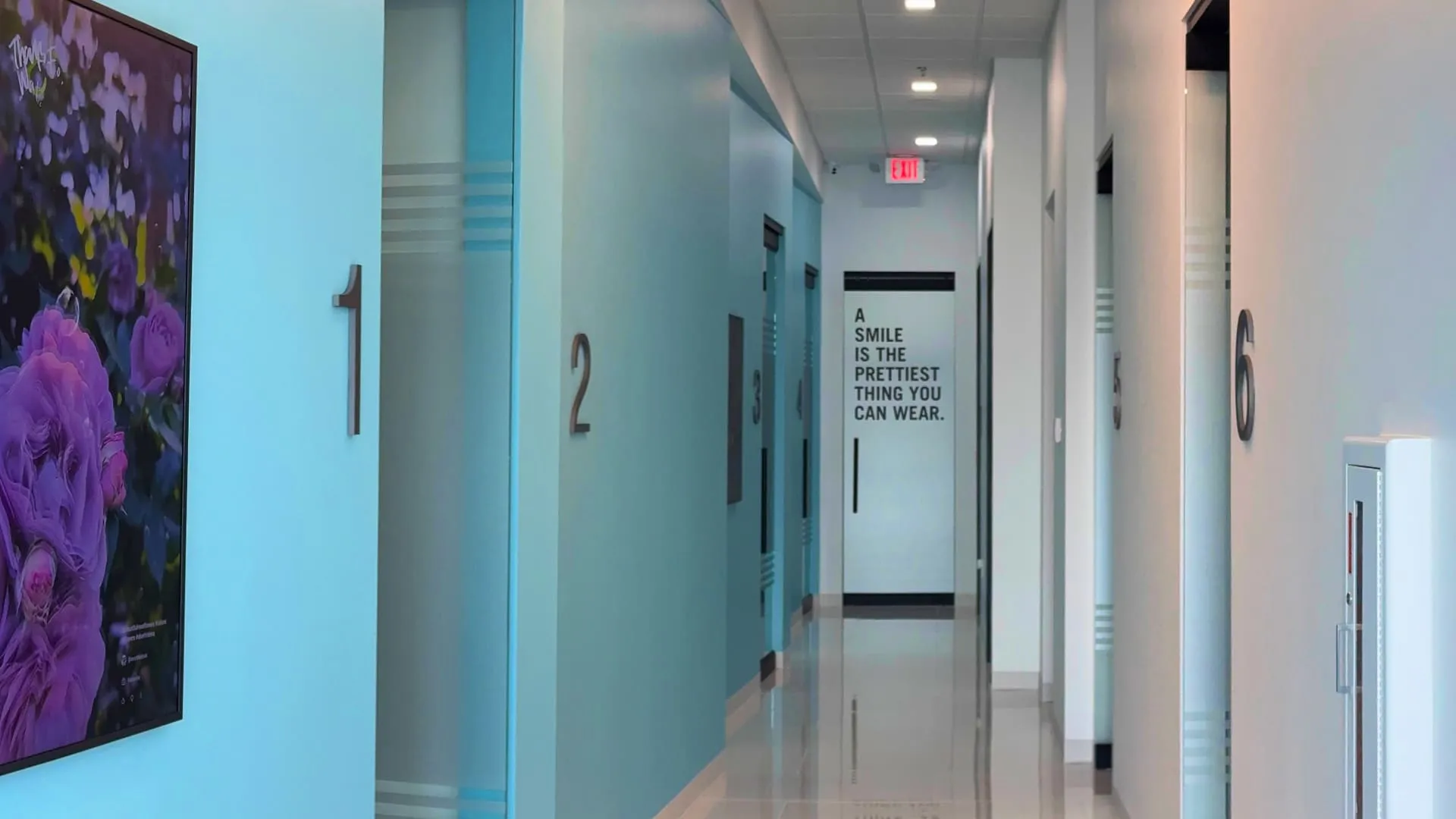
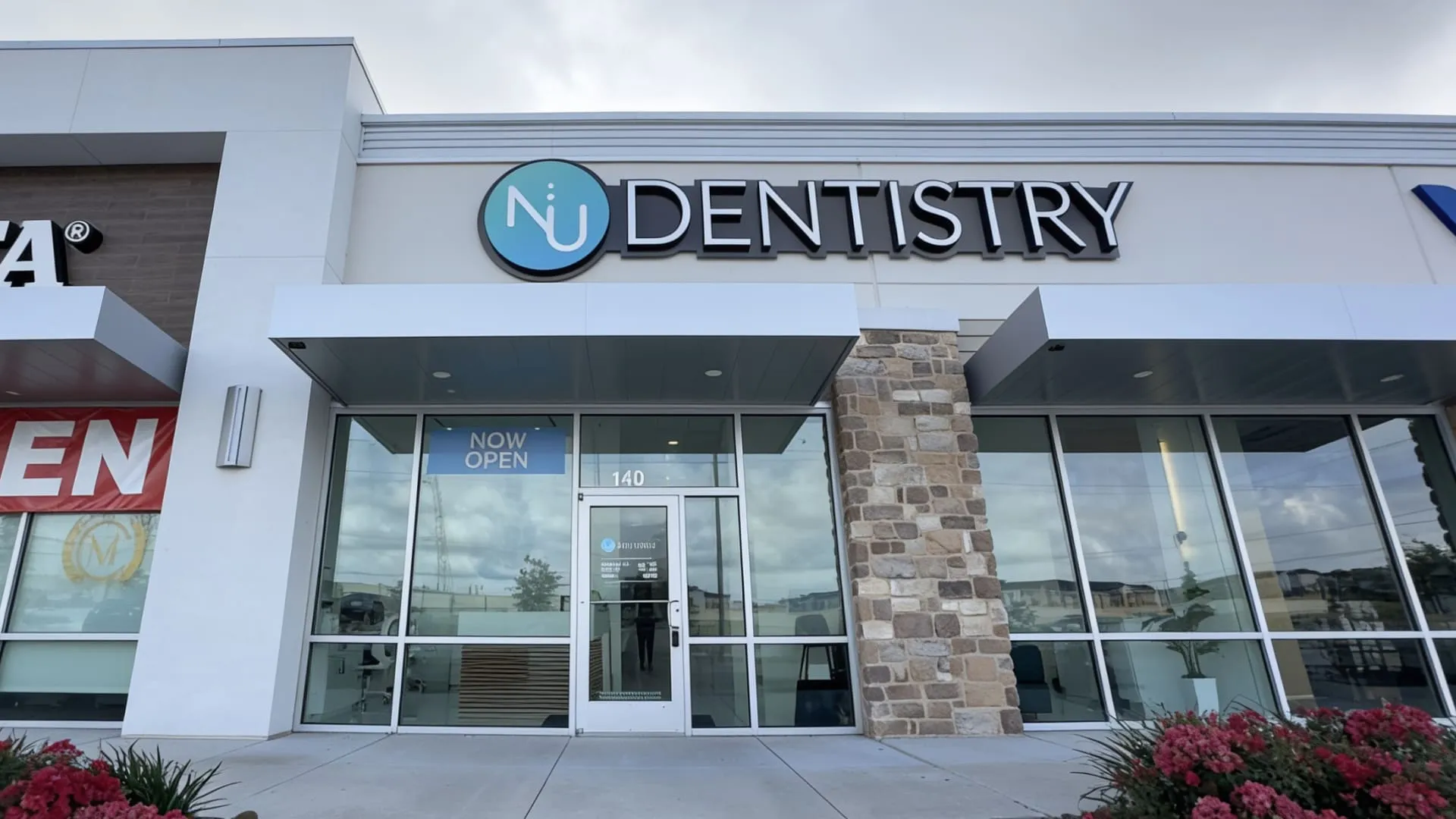
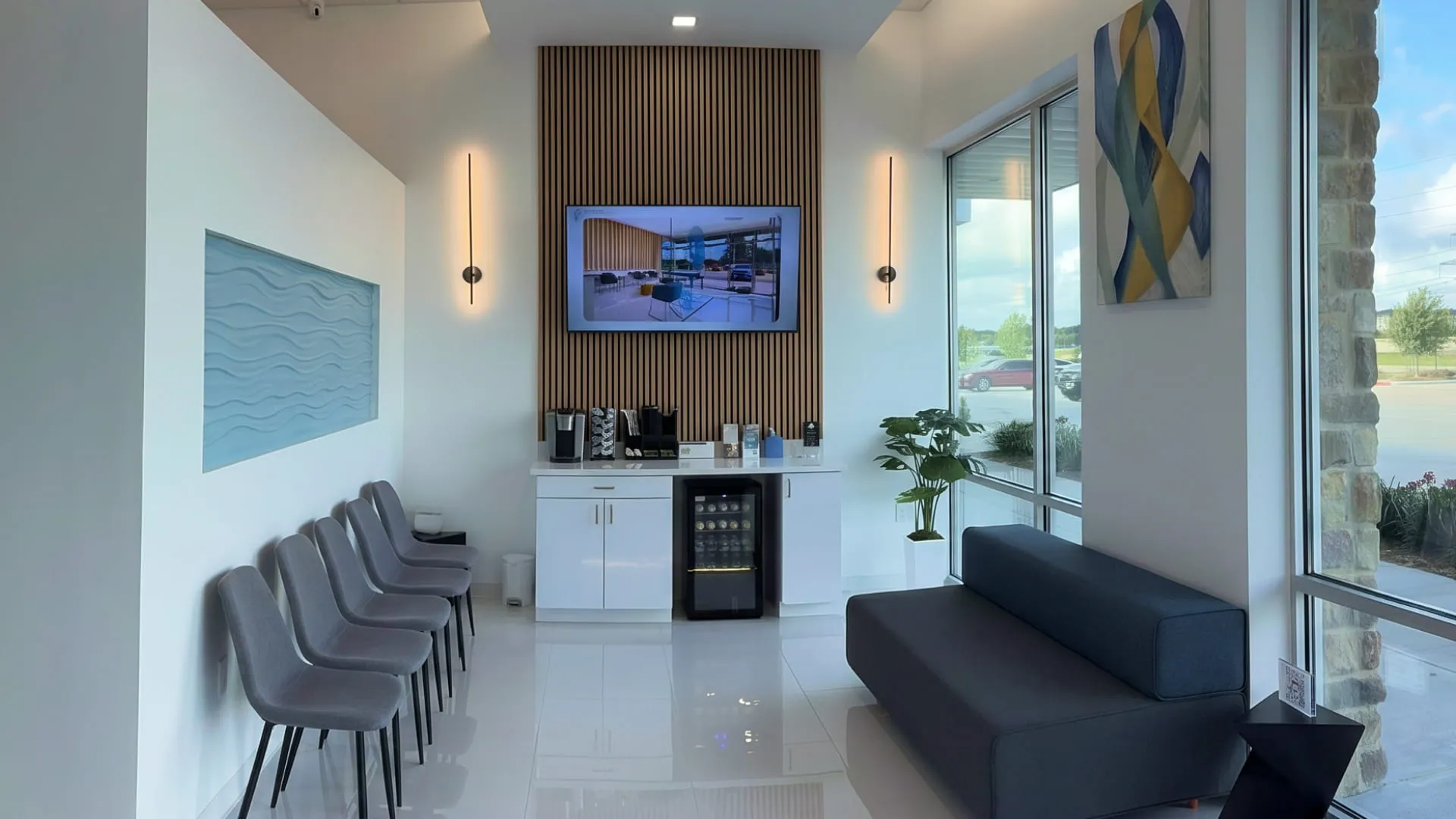
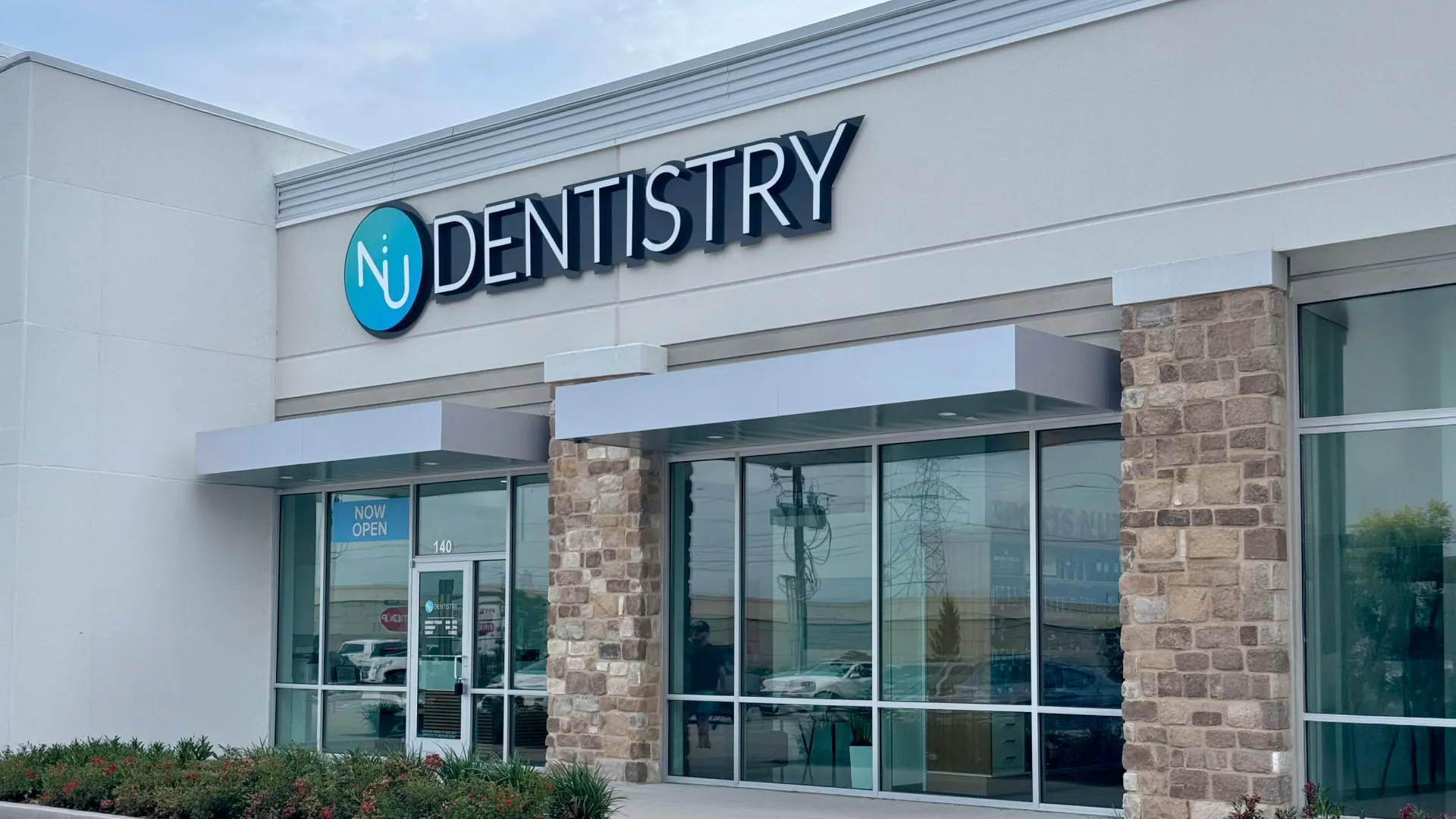
If you're in the Richmond or Greater Houston area and want whitening results that actually hold, scheduling a consultation at Nu Dentistry Richmond is a great next step. The practice uses a high-tech, private-suite environment to make the process comfortable, and every whitening plan includes custom take-home trays and a maintenance protocol tailored to your specific shade goals and oral health history. Same science, personalized approach.
This article is for informational purposes only and does not constitute dental or medical advice. Individual results vary. Consult a licensed dental professional before beginning any whitening treatment.

Tuesday 9-6pm
Thursday 9-6pm
Saturday 9-2pm
11115 W Grand Parkway S, Suite 140, Richmond, TX 77407
5706 San Felipe St Ste B-300, Houston, TX 77057
23227 Gosling Rd., Suite B, Spring, TX 77389
8940 Barker Cypress Rd., Cypress, TX 77433
3201 N. Shepherd Dr. Suite 113, Houston, TX 77018
8145 Highway 6, Building B #200, Missouri City, TX 77459
PATIENT TESTIMONIALS Richmond, TX
What People Are Saying After Visiting Us



CARING DENTISTS Richmond, TX
OUR SOCIALS
Check Us Out and Follow Our Social Media Accounts