Is Invisalign Worth the Cost Compared to Mail Order Clear Aligners?
Is Invisalign worth the cost over mail-order aligners? Learn the safety and hygiene differences, then schedule your consult at Nu Dentistry Richmond today!
Read More 
Cosmetic Dentistry, Teeth Straightening
Medically Reviewed by Dr. Ali Tameemi
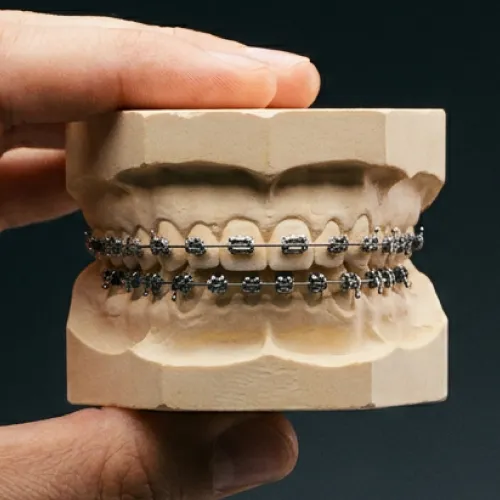
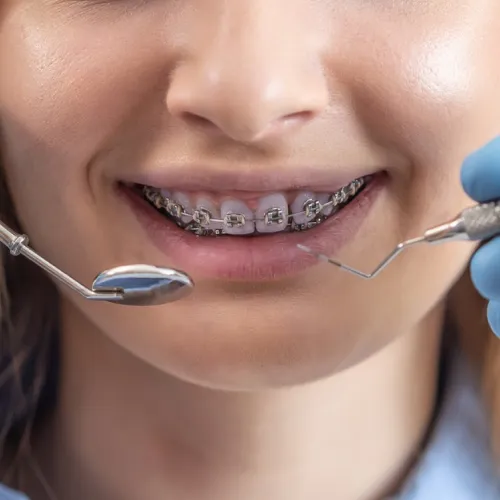
Orthodontic treatment plans vary widely depending on treatment complexity, bracket type, and how your insurance contract is actually written — not just what the coverage percentage says. Understanding what drives a treatment plan from moderate to complex, and how to audit a treatment contract before signing, can save Richmond-area patients significant frustration down the road. If you're exploring all your orthodontic options, our dental braces page covers what's available at our practice.
Most patients wonder whether their case genuinely warrants extensive treatment. The honest answer is that clinical complexity — not the bracket material alone — is the primary driver.
Simple crowding or spacing cases require straightforward treatment. Cases that require advanced intervention share specific characteristics. Exposure and surgical bonding of impacted canines requires coordination between an orthodontist and an oral surgeon, adding procedural steps before tooth movement even begins. Severe skeletal discrepancies — where the upper and lower jaws don't align at the bone level — may require orthognathic surgery prep, meaning braces serve as a multi-year pre-surgical alignment phase rather than a standalone treatment. Deep overbites requiring significant root torque correction take longer and demand more precise wire sequencing than basic alignment. Each of these conditions adds chair time, clinical coordination, and custom appliance work that legitimately increases the total scope of care.
According to Healthline, the American Dental Association's survey placed comprehensive orthodontic treatment across a broad spectrum of care — and that spectrum exists precisely because "braces" describes everything from minor spacing correction to multi-year complex cases.
Ask your provider to walk through the specific clinical findings driving their recommendation. A detailed breakdown — impaction exposure, skeletal classification, expected treatment phases — is a reasonable thing to request before committing.
Dental insurance and orthodontic insurance operate by different rules, and conflating them is one of the most common sources of confusion.
General dental coverage typically renews annually. Orthodontic benefits do not. Most employer-sponsored plans carry a Lifetime Orthodontic Maximum — a single, non-renewing cap that applies once across the entire life of the policy. Once it's used, it's gone, regardless of how many years you've paid premiums.
There's also an age cutoff embedded in most employer plans, commonly set at 18 or 19. Adults pursuing orthodontic treatment — a group that WebMD notes represents one-quarter of all brace-wearing patients — often find their plan excludes them entirely from orthodontic benefits, regardless of the listed coverage percentage. It's worth reviewing your dental insurance options to understand exactly what orthodontic coverage you may have access to.
Patients often explore utilizing Flexible Spending Account (FSA) or Health Savings Account (HSA) funds across calendar years. FSAs expire at year-end, so timing treatment across calendar cycles can help maximize available pretax healthcare benefits. Healthline's Invisalign overview outlines how FSA and HSA funds apply to orthodontic treatment generally, and the same logic applies to traditional braces.
Ask your benefits coordinator specifically: Does the plan have an age cutoff for orthodontic benefits? Is the lifetime maximum separate from the annual dental maximum? These two questions will tell you more than the coverage percentage ever will.
Orthodontic contracts come in two broad structures, and the difference matters.
Bundled contracts cover the full course of treatment — records, adjustments, debonding, and typically one set of retainers. What you sign encompasses all expected phases, barring unusual complications.
Unbundled contracts outline a base agreement but handle components separately that are part of every treatment. Watch for these line items in particular:
Mouthhealthy.org from the ADA emphasizes that orthodontic treatment is followed by a retention phase — meaning retainers are not optional. They're a clinical necessity, not an upsell.
Before signing any orthodontic contract, request a written itemization. Ask whether diagnostic records, mid-treatment repairs, debonding, and post-treatment retention are included. A thorough bundled contract protects you from accumulating unexpected requirements later on.
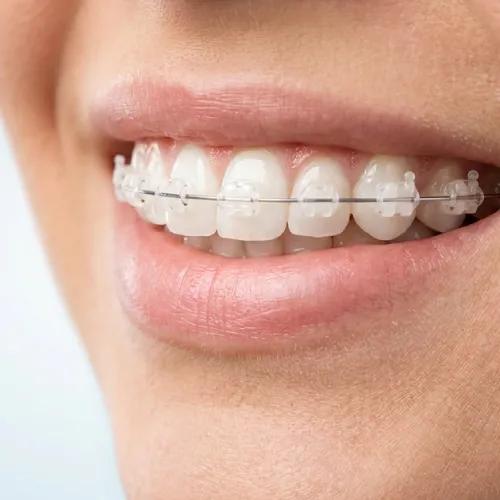
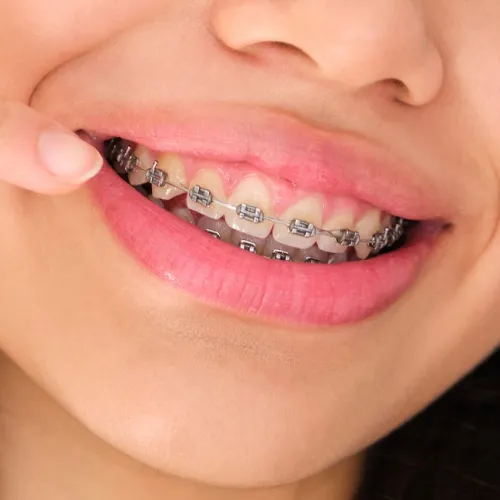
The orthodontic approach depends on the type of braces and the complexity of your case. Healthline's ceramic braces overview notes that ceramic brackets — tooth-colored and less visible than metal — require specific material handling and precision during debonding compared to standard metal braces.
Lingual braces, placed on the back surface of teeth for near-invisibility, represent a specialized approach. The application process is more technically demanding, and many lingual systems are robotically customized to the individual patient's tooth contours — a process that increases fabrication time and procedural complexity. If you're considering this option, our guide on what to expect during lingual braces treatment in Richmond TX offers a detailed look at the process.
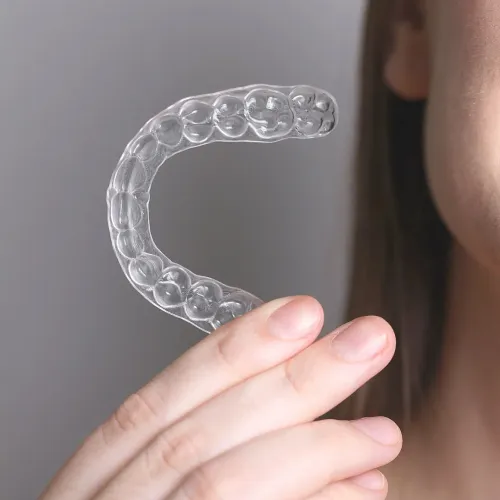
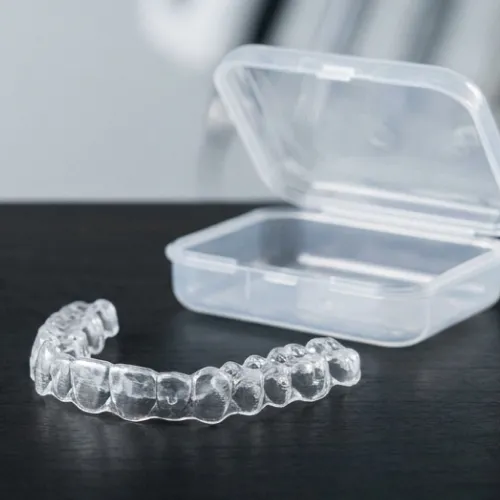
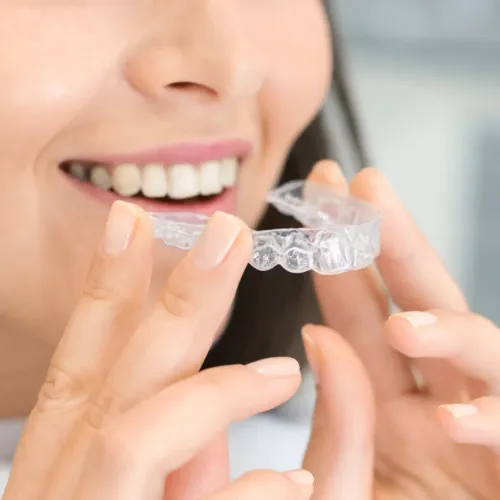
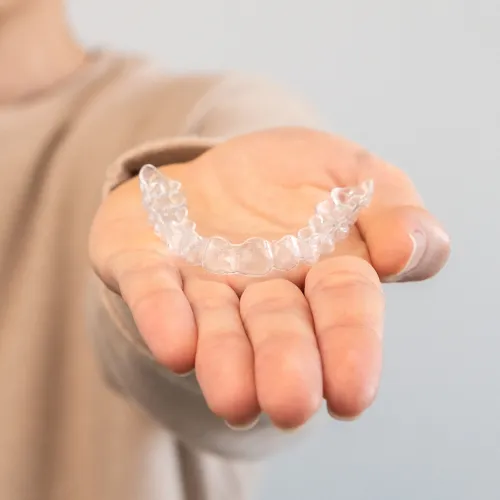
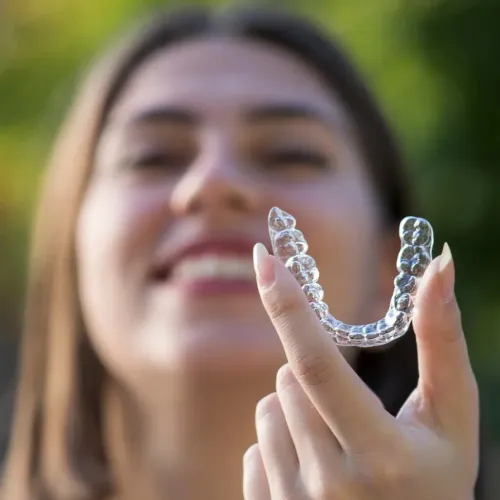
Clear aligners like Invisalign offer an alternative modality, though complex cases may require attachments, refinements, and extended aligner series. A Healthline overview of how braces work explains that all orthodontic appliances — fixed or removable — function by applying sustained pressure to reposition teeth through the membrane connecting them to the jaw. The method differs; the biological mechanism doesn't.
The right choice is the one that matches your clinical needs. Choosing an appliance unsuited for a case that genuinely requires more complex mechanics often results in longer treatment time, additional phases, or compromised results. Patients using clear aligners should also be aware of when refinements are needed with Invisalign trays, as additional aligner stages can affect overall treatment duration.
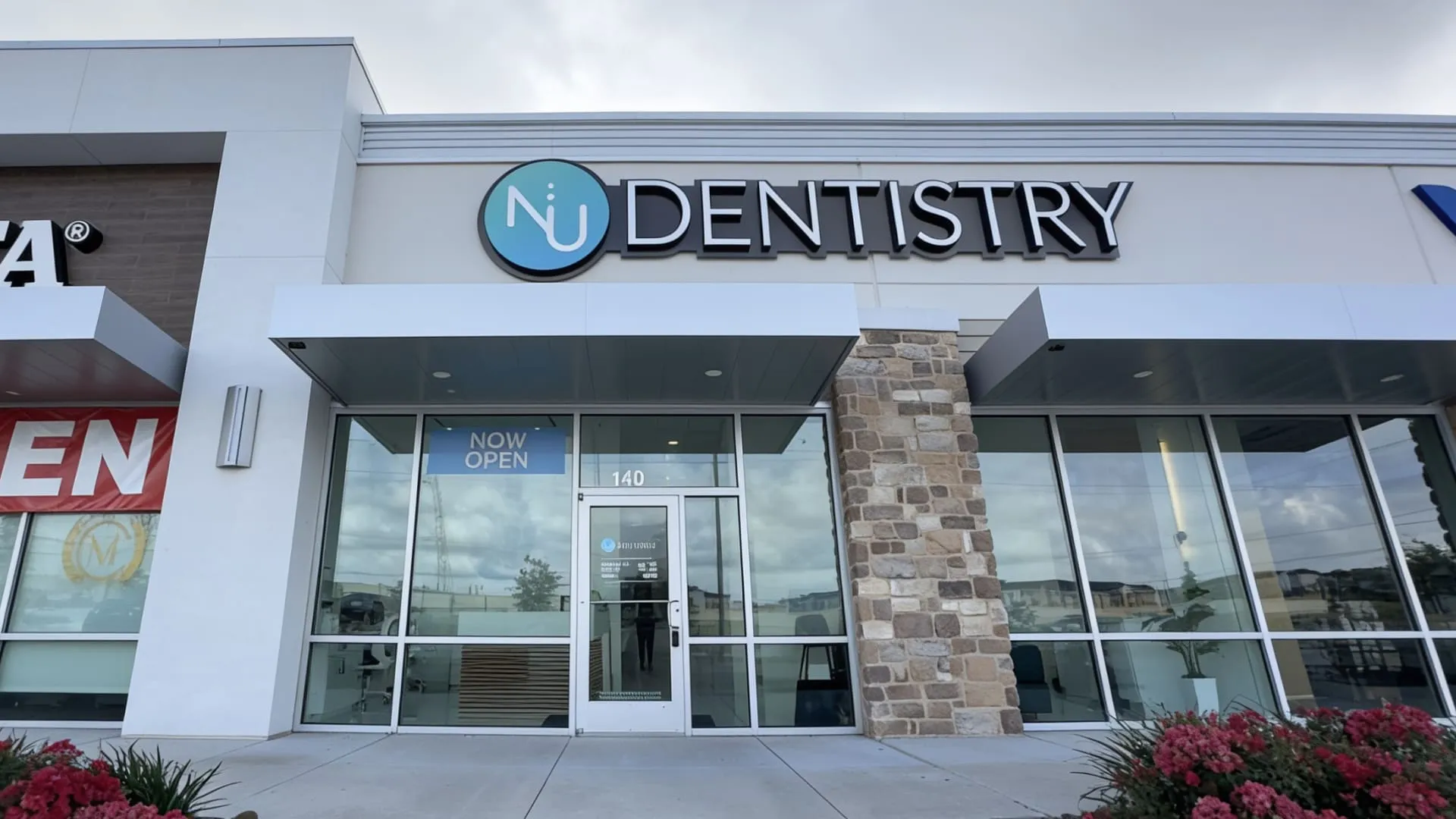
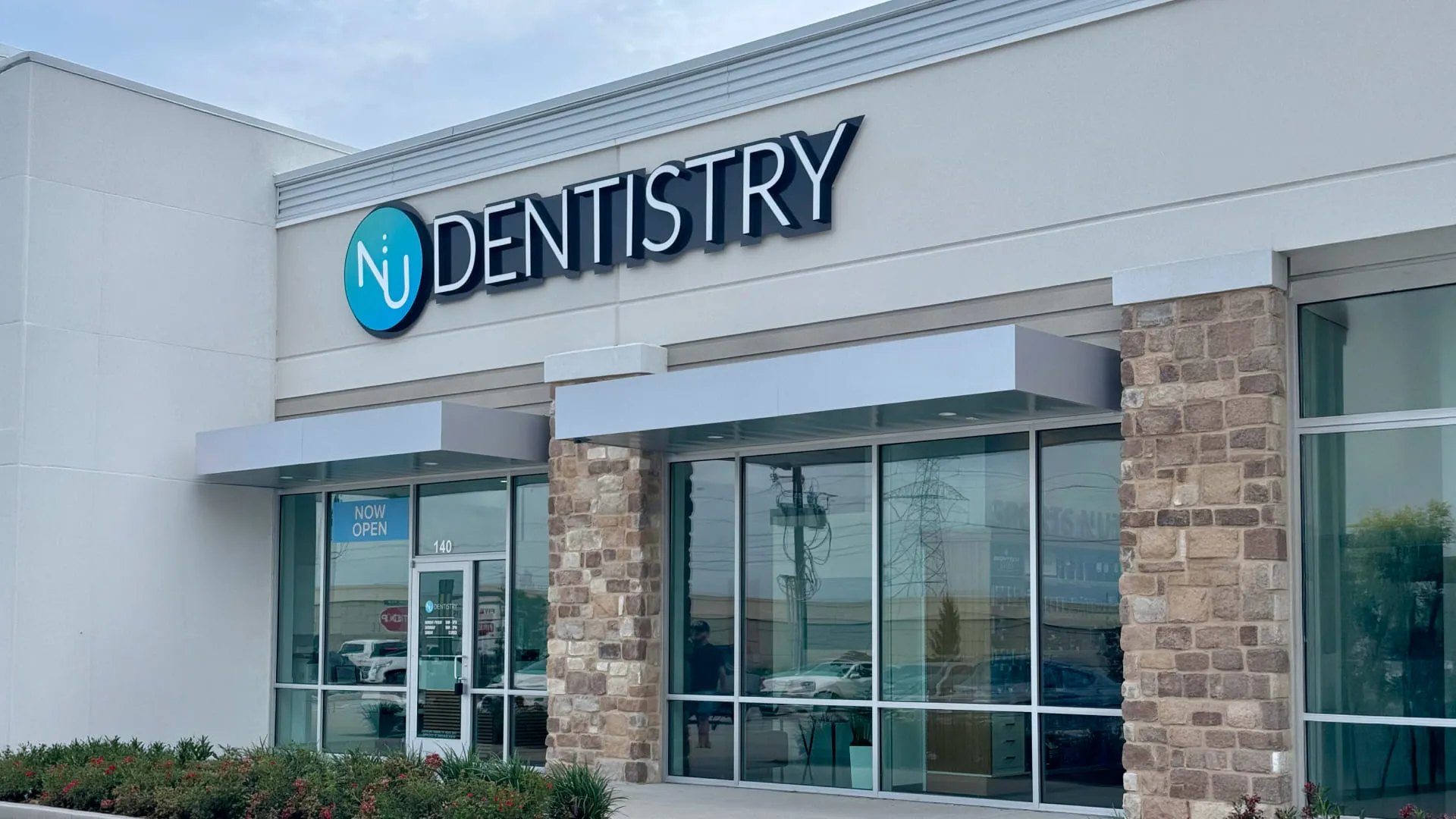
If you're weighing your options in the Richmond area and want straightforward answers about what your treatment would actually involve, Nu Dentistry Richmond is here to help. Our team serves patients across Richmond, Texas and the greater Houston area, and we're happy to walk through what your case requires — and what a complete treatment contract should include — before you make any decisions. Check out our current dental offer to see how you can get started on your first visit.
Medical disclaimer: This article is intended for general informational purposes only and does not constitute professional dental or medical advice. Always consult a licensed dental provider for diagnosis and personalized treatment recommendations.





Tuesday 9-6pm
Thursday 9-6pm
Saturday 9-2pm
11115 W Grand Parkway S, Suite 140, Richmond, TX 77407
5706 San Felipe St Ste B-300, Houston, TX 77057
23227 Gosling Rd., Suite B, Spring, TX 77389
8940 Barker Cypress Rd., Cypress, TX 77433
3201 N. Shepherd Dr. Suite 113, Houston, TX 77018
8145 Highway 6, Building B #200, Missouri City, TX 77459
PATIENT TESTIMONIALS Richmond, TX
What People Are Saying After Visiting Us



CARING DENTISTS Richmond, TX
OUR SOCIALS
Check Us Out and Follow Our Social Media Accounts