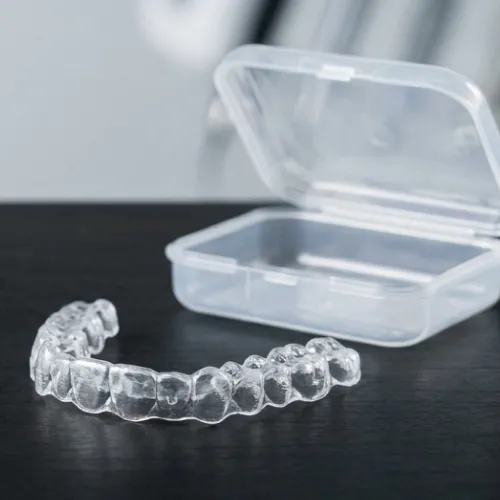
Spark vs. Invisalign: Which Clear Aligner Is Actually Better?
Spark vs. Invisalign: Which clear aligner is actually better for you? Compare costs, comfort, and results. Book your smile consultation in Richmond today!
Read More
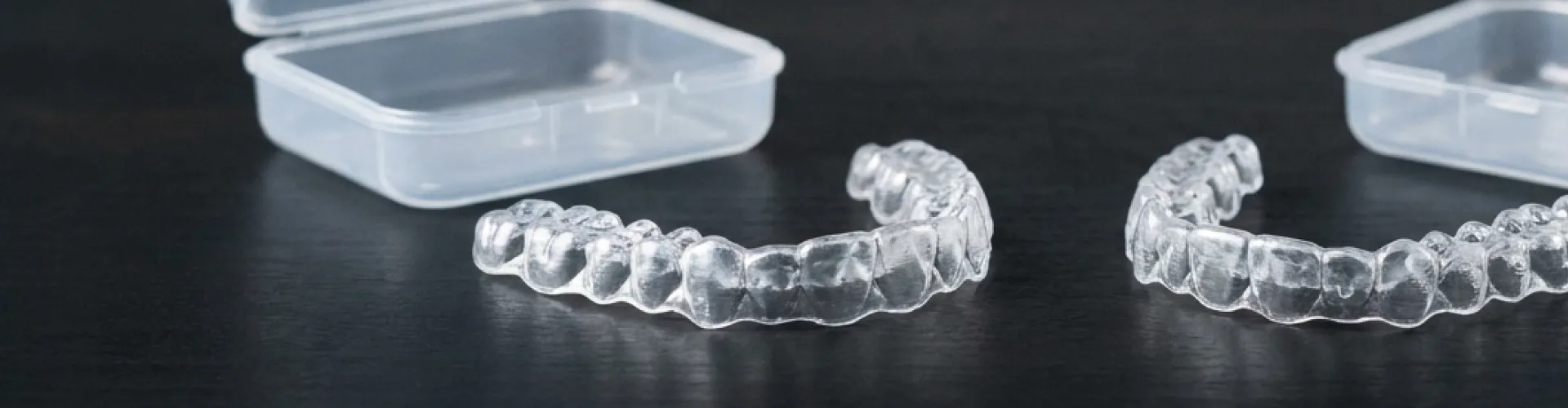
Cosmetic Dentistry, Teeth Straightening
Medically Reviewed by Dr. Ali Tameemi
Spark and Invisalign are both high-quality clear aligner systems, but they differ in material science, clinical software, and how providers are structured to offer them. The right choice depends on your specific bite, your provider's expertise, and the complexity of your tooth movement needs.
For Richmond-area patients, most explanations comparing Spark and Invisalign stop at brand recognition. That glosses over the actual mechanics at play.
Align Technology, the manufacturer behind Invisalign, has long held a dominant market position. Ormco, Spark's manufacturer, entered the market as a challenger brand structured to attract providers to its ecosystem.
There's a second layer that patients rarely hear about: Invisalign's volume tiering system. Providers who reach higher prescription thresholds (such as Diamond or Diamond Plus status) receive perks and marketing support. That creates an incentive for high-volume Invisalign practices to maintain their tier status by continuing to prescribe Invisalign, even when Spark might otherwise be worth considering.
None of this reflects a difference in clinical quality. According to a Healthline overview, factors like case complexity, provider labor, and location all influence how treatment plans are formulated. GoodRx also notes that clear aligner treatments vary widely depending on the provider and treatment plan chosen.
The takeaway: Spark isn't different because it cuts corners. It differs because its manufacturer structured its operations to compete, without the overhead of a two-decade market monopoly.
Generic comparisons call both aligners "clear and comfortable." That's true on day one. The story changes by day seven.
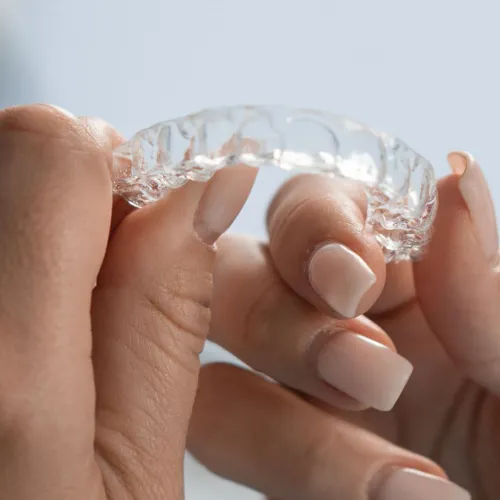
Spark uses a material called TruGEN, a polyurethane-based plastic with polished, rounded border edges. Invisalign uses SmartTrack, a multi-layer aromatic thermoplastic. Both are engineered to apply graduated force to teeth — but they behave differently as the tray ages through a typical 7–14 day wear cycle.
TruGEN is designed to maintain more consistent force delivery across the full wear period, which matters because tooth movement is driven by sustained, light pressure. SmartTrack's multi-layer construction was specifically developed by Align Technology to improve elasticity and fit, and it remains the more extensively published material in orthodontic literature.
On staining, Spark's TruGEN has shown meaningful resistance to common chromogens — coffee, red wine, and turmeric — which is a real-world advantage given that as Healthline notes, aligners must be worn 20 to 22 hours daily. A tray that resists discoloration stays discreet throughout its full wear cycle, not just the first few days.
Neither material is fragile. Both require removal before eating, careful cleaning with cool water (hot water can warp the plastic), and consistent wear compliance. The clinical difference is subtle — but for patients who are meticulous about aesthetics or who are mid-treatment for longer durations, TruGEN's stain resistance is a practical advantage worth discussing with your provider. Patients who want to explore additional cosmetic options alongside aligner treatment may also want to review aesthetic dentistry services to understand the full range of smile enhancement possibilities.
For mild crowding, spacing, or a moderate overbite, both systems perform comparably. Healthline explains that clear aligners gradually shift teeth through small, incremental pressure changes — and both Spark and Invisalign follow that same biomechanical principle.
The clinical divergence becomes more significant for complex cases involving root torque, thin gum biotypes, or recession.
Spark's treatment planning software — Spark Approver — has native integration for CBCT (cone beam computed tomography) data, meaning the software can incorporate actual root and bone structure into the movement plan. Invisalign's ClinCheck software has historically relied more heavily on algorithmic root estimation rather than direct root visualization from imaging. For straightforward cases, that distinction is irrelevant. For patients with significant root-torque requirements or thin periodontal tissue, real-root tracking changes what movements are safe to prescribe.
Spark's scalloped edge design also follows the natural gum line more closely than Invisalign's straighter trim line. For patients with gum disease gingivitis or sensitive margins, this reduces soft-tissue irritation during wear — a clinically meaningful difference, not just an aesthetic one.
That said, Invisalign's longer track record means more published outcome data. Research published on Healthline's dental health coverage acknowledges that discomfort from clear aligners is typically mild and temporary, with most users adapting within the first week — a finding that applies broadly to both systems.
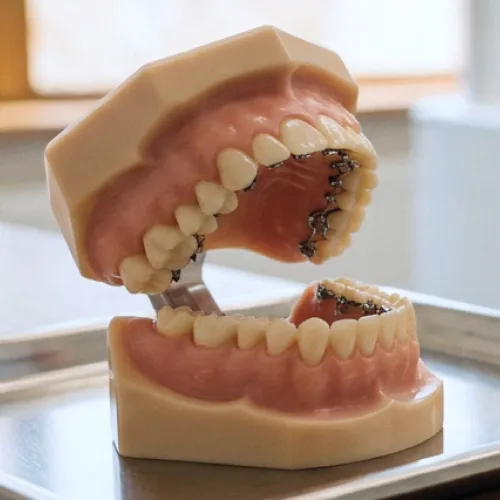
For patients with healthy gums and mild-to-moderate alignment needs, brand selection matters less than provider skill. For complex malocclusions, the software and edge design differences between Spark and Invisalign are worth a detailed conversation with your dentist. Patients who have previously undergone lingual braces treatment may also find it useful to compare how clear aligner systems differ from fixed orthodontic appliances before making a decision.
The honest answer is that no single aligner brand is universally best. The better question is: which system does your provider know most deeply, and does it match the complexity of your case?
The EverydayHealth guide to invisible braces notes that some brands are more effective for serious alignment issues, and that consulting a dental professional before starting treatment is essential — especially if you have existing gum concerns or bite complexity.
Both Spark and Invisalign are FDA-cleared, clinically validated options. The differentiators come down to material behavior over a wear cycle, software capabilities for complex movements, provider familiarity, and how your specific case is structured. A thorough exam and 3D imaging are the only way to know which system positions you for the best outcome. Understanding when refinements are needed with Invisalign trays is also an important part of planning realistic treatment expectations before you begin.
If you're weighing Spark against Invisalign and want an honest assessment — not a brand pitch — Nu Dentistry Richmond is ready to help. Our Richmond, Texas team reviews your bite, imaging, and goals together before recommending any aligner system. Book a consultation and get clarity on which path is right for your smile. You can also check our current dental offer to see options available when you get started.
Medical disclaimer: This article is for informational purposes only and does not constitute dental or medical advice. Always consult a licensed dental professional before beginning any orthodontic treatment.

Tuesday 9-6pm
Thursday 9-6pm
Saturday 9-2pm
11115 W Grand Parkway S, Suite 140, Richmond, TX 77407
5706 San Felipe St Ste B-300, Houston, TX 77057
23227 Gosling Rd., Suite B, Spring, TX 77389
8940 Barker Cypress Rd., Cypress, TX 77433
3201 N. Shepherd Dr. Suite 113, Houston, TX 77018
8145 Highway 6, Building B #200, Missouri City, TX 77459
PATIENT TESTIMONIALS Richmond, TX
What People Are Saying After Visiting Us
CARING DENTISTS Richmond, TX
OUR SOCIALS
Check Us Out and Follow Our Social Media Accounts